Embracing the Shift: How Daylight Saving Time Affects Your Circadian Rhythm and Emotions

When the clocks change, something inside you shifts too. This change does not happen instantly or on command. Your body does not follow the clock on the wall. Instead, it follows a natural rhythm—one shaped by light, darkness, breath, and timing. This rhythm, known as the circadian rhythm, governs much more than just sleep. It orchestrates hormones, body temperature, digestion, metabolism, and even emotions throughout the 24-hour day.
Understanding how this internal clock works helps explain why the shift caused by Daylight Saving Time (DST) can leave you feeling tired but wired, heavy in the morning, awake late at night, hungrier at unusual times, or a bit more irritable or flat. These feelings are not signs that something is wrong. They are your body’s way of readjusting to a new rhythm.

Morning light entering a bedroom window, symbolizing the start of the circadian rhythm
How Your Body’s Clock Works
Your circadian rhythm is a complex system controlled by a master clock in the brain, specifically the suprachiasmatic nucleus (SCN). This master clock is trained primarily by light. Even when your eyes are closed, your body listens to the light-dark cycle outside. This cycle signals your brain to release hormones like melatonin to prepare you for sleep or cortisol to wake you up.
Every cell in your body has its own clock, but they all follow the lead of the master clock. This coordination ensures that your body functions smoothly throughout the day. For example:
Morning: Your body becomes more insulin sensitive, digestion is ready, and energy is used efficiently.
Evening: Melatonin rises, metabolism slows, and your body prepares for rest rather than food intake.
When the clocks jump forward or back due to DST, your outer world changes suddenly, but your inner world takes time to catch up.
The Emotional Impact of Rhythm Shifts
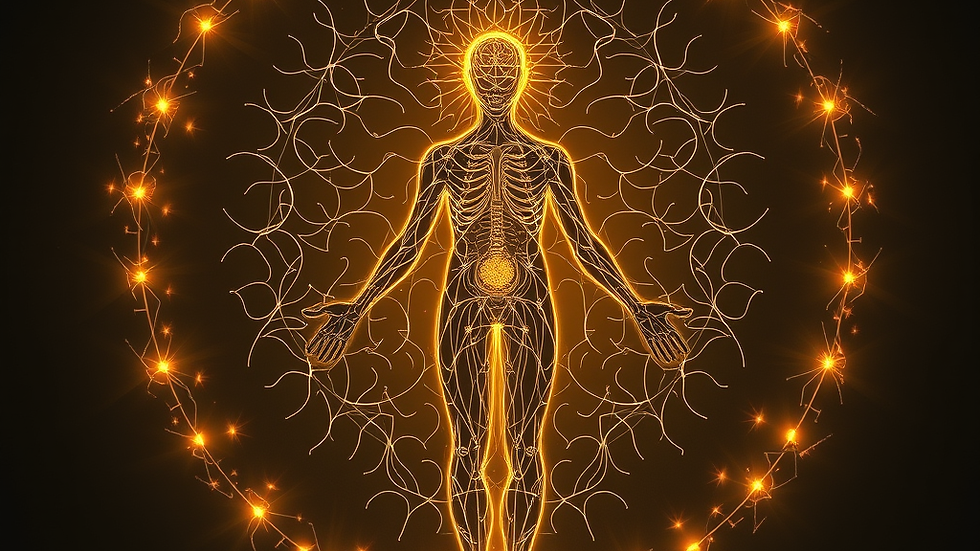
The circadian rhythm does more than regulate physical processes. It also influences your emotions. Traditional Chinese medicine describes a body clock where each organ has its own time to rise, peak, and hand over to the next. Each organ’s function connects with specific emotions. When your rhythm shifts, your mood and emotional balance can shift too.
You might notice:
Increased irritability or impatience
A sense of feeling flat or emotionally low
Difficulty finding ease in your own body
These changes happen because the timing of your internal systems is out of sync with the external environment. When you eat late, rush through mornings, or push through fatigue, you disrupt not only metabolism but also this emotional rhythm.

Close-up of a clock face with sunlight and shadows, representing the connection between time and natural body rhythms
Timing of Food and Its Role in Rhythm
There is an old saying: eat breakfast like a king, lunch like a queen, and dinner like a pauper. Modern science supports this advice. In the morning, your body is primed to digest food efficiently and use energy well. By evening, your body prepares for rest, not intake.
Eating late at night can confuse your circadian rhythm. It sends mixed signals to your metabolism and can affect your sleep quality and emotional state. Aligning meal times with your body’s natural rhythm supports better digestion, metabolism, and mood.
Practical Ways to Support Your Rhythm During Clock Changes
Adjusting to the time change can be smoother if you work with your body’s natural rhythm instead of against it. Here are some practical tips:
Let morning receive more light: Spend time outside or near windows in the morning to help reset your master clock.
Focus on breath and nourishment: Start your day with mindful breathing and a balanced breakfast.
Move and circulate at midday: Physical activity helps maintain energy and supports digestion.
Soften your evening: Reduce stimulation and heavy food intake to prepare your body for rest.
Let night restore: Prioritize sleep and create a calm environment to support recovery.
These steps are not about strict control or perfection. They are about listening to your body and allowing it to adjust naturally.

Peaceful evening setting with soft lighting and herbal tea, illustrating relaxation and rhythm restoration
Embracing the Shift with Awareness
Daylight Saving Time reminds us that time is not just a number on a clock. It is a living rhythm inside us. When the clocks change, your body needs time to adjust. Feeling tired but wired, heavy in the morning, or emotionally off is part of this natural process.
By understanding your circadian rhythm and respecting its timing for sleep, food, and activity, you can ease the transition. This awareness helps you reconnect with your body’s signals and supports emotional balance.
Next time the clocks change, try to move gently with your body’s rhythm. Let light, breath, and nourishment guide you. This simple approach can make all the difference in how you feel during the shift.
If this is something you’d like to feel in your own body…
come and experience the complimentary Qisong week.

Comments